
Understanding the psychological triggers that lead to gambling addiction
Understanding the psychological triggers that lead to gambling addiction
Defining Gambling Addiction
Gambling addiction, often referred to as compulsive gambling, is characterized by an uncontrollable urge to gamble despite the negative consequences it may bring. Individuals suffering from this condition may find themselves preoccupied with gambling-related thoughts and behaviors, leading to a cycle that is difficult to escape. The addiction can manifest in various forms, from playing at casinos to engaging in online betting, showcasing the widespread nature of this issue in today’s digital world. For those looking for opportunities to enhance their experience, using a Shuffle referral code can provide additional bonuses for newcomers.

It’s essential to understand that gambling addiction is classified as a behavioral addiction, akin to substance dependence. This distinction is critical as it highlights the psychological components involved, such as emotional distress and the need for dopamine—a neurotransmitter associated with pleasure. As individuals engage in gambling, they may initially experience excitement and euphoria, which can quickly spiral into a compulsive pattern of behavior.
Recognizing gambling addiction is the first step toward addressing it. Many may dismiss their behaviors as mere hobbies or pastimes, but the reality is that the mental and emotional toll can be devastating. Relationships, finances, and even personal well-being can deteriorate as the addiction takes hold, making it imperative for individuals to identify the signs early on and seek help when necessary.
The Role of Psychological Triggers
Understanding the psychological triggers that lead to gambling addiction is crucial in both prevention and treatment. These triggers can range from emotional states, such as anxiety and depression, to environmental factors like peer pressure or exposure to gambling advertisements. The interplay between these triggers often creates a perfect storm, leading individuals to gamble as a form of escape or coping mechanism.
One common psychological trigger is the thrill of winning, which can create a powerful reinforcement loop. When a person wins, they experience a rush of excitement and a temporary elevation in mood, which may encourage them to continue gambling in pursuit of that feeling. This can lead to risky behavior as individuals chase losses, convinced that a big win is just around the corner. The anticipation itself can become addictive, further entrenching the individual in a cycle of gambling.
Additionally, cognitive distortions can significantly contribute to gambling addiction. Many gamblers develop a “gambler’s fallacy,” believing that past losses influence future outcomes. For instance, someone may think they are “due” for a win after a series of losses, which can lead to increased betting and eventually an addiction. By understanding these psychological triggers, we can better address the root causes of gambling addiction and facilitate effective treatment strategies.
The Impact of Social Environment
The social environment plays a significant role in the development of gambling addiction. Friends and family can influence gambling behavior, either positively or negatively. A person surrounded by peers who view gambling as a fun pastime may feel pressured to participate, even if they would not typically engage in such activities. This social acceptance can normalize gambling, making it easier for individuals to slide into addiction.
Moreover, social reinforcement can also exacerbate the problem. Celebrations and social gatherings often involve gambling activities, making it challenging for individuals to recognize when their participation crosses the line into unhealthy behavior. This can lead to a false sense of security, where the individual may believe their gambling habits are acceptable because they occur within a social context.
Community resources and support groups can play a vital role in mitigating these social influences. By fostering environments that promote healthy activities and open discussions about gambling, individuals can gain better control over their behaviors. Awareness campaigns aimed at reducing the stigma surrounding gambling addiction can also encourage those struggling to seek help, creating a more supportive community for recovery.
Biological Factors and Brain Chemistry
Biological factors, particularly those related to brain chemistry, also contribute significantly to gambling addiction. Research has shown that individuals with gambling addiction may have differences in brain structure and function, particularly in areas related to reward and impulse control. This can make it more challenging for them to resist the urge to gamble, even when they are aware of the potential consequences.
Neurotransmitters like dopamine play a central role in the brain’s reward pathways. When individuals gamble, they experience surges of dopamine, which can create feelings of pleasure and satisfaction. This chemical reaction reinforces the behavior, making it more likely that the individual will gamble again in the future. Over time, the brain may become reliant on these dopamine surges, leading to compulsive gambling as a means of achieving that high.
Understanding the biological underpinnings of gambling addiction underscores the importance of a comprehensive treatment approach. Therapies that target both the psychological and biological aspects, such as cognitive behavioral therapy combined with medication that regulates brain chemistry, may yield more effective results. By addressing these factors, we can provide individuals with the tools they need to regain control over their gambling behaviors.
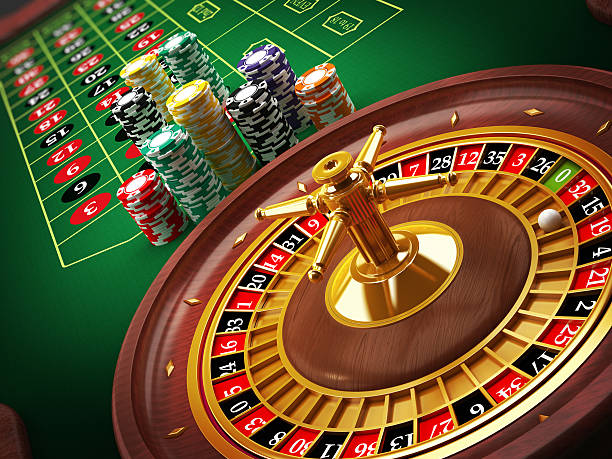
Shuffle Casino’s Role in Responsible Gaming
As an innovative online platform, Shuffle Casino emphasizes the importance of responsible gaming. The site is designed not only for entertainment but also to promote awareness of gambling addiction and its psychological triggers. By providing resources and support for responsible gambling, Shuffle Casino creates an environment that encourages healthy habits and informed decision-making among its users.
Shuffle Casino offers a diverse array of games and exciting promotions, but it also implements features such as self-exclusion and deposit limits. These tools empower players to take control of their gambling behaviors and recognize when it’s time to step back. In doing so, the platform prioritizes player well-being while still delivering an engaging gaming experience.
Ultimately, the commitment to transparency and support at Shuffle Casino allows users to enjoy their gaming experience while being mindful of the potential risks associated with gambling. By fostering a culture of responsible gaming, Shuffle Casino sets an example for the industry, showing that it is possible to engage in gaming activities while remaining aware of the psychological triggers that can lead to addiction.